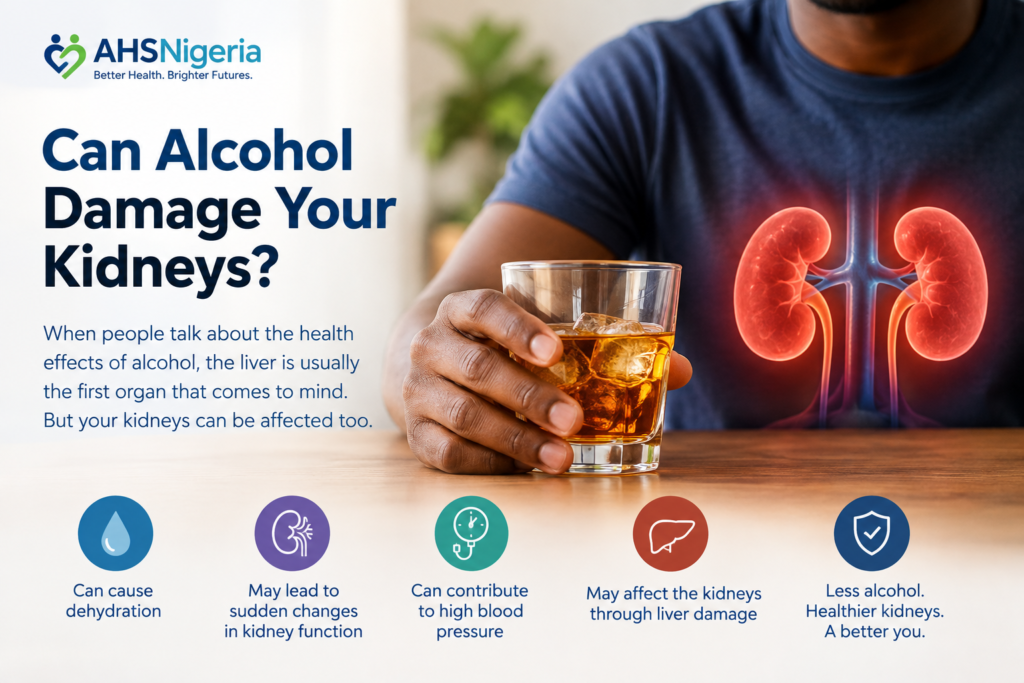
When people talk about the health effects of alcohol, the liver is usually the first organ that comes to mind. But your kidneys can be affected too.
Can Alcohol Damage Your Kidneys? What You Should Know
Your kidneys work continuously to filter your blood, remove waste, regulate fluids and electrolytes, and help control blood pressure.
Alcohol can interfere with some of these functions. The risk becomes greater with excessive or heavy drinking.
So, if you regularly drink alcohol, what exactly could it be doing to your kidneys?
How does alcohol affect the kidneys?
1. It can cause dehydration
Alcohol can increase urine production, causing you to lose more fluid.
If you drink heavily, particularly without taking enough fluids, this can lead to dehydration. Dehydration makes it harder for the kidneys to maintain the body’s normal fluid and electrolyte balance.
Severe dehydration can become particularly concerning when combined with vomiting, diarrhoea, fever or other causes of fluid loss.
2. Heavy drinking can cause a sudden decline in kidney function
Binge drinking can sometimes contribute to acute kidney injury (AKI) — a sudden deterioration in kidney function.
AKI can be serious, although it can sometimes be reversed when the underlying cause is identified and treated promptly. Importantly, an episode of AKI can also increase the risk of developing chronic kidney disease later in life.
This is one reason why a person should not assume that a period of very heavy drinking is harmless simply because they feel better afterwards.
3. It can contribute to high blood pressure
Regular excessive alcohol consumption can raise blood pressure.
This matters because high blood pressure is one of the major causes of chronic kidney disease. Persistently high blood pressure can damage the small blood vessels within the kidneys, gradually reducing their ability to function properly.
In other words, alcohol does not necessarily have to damage the kidney directly to contribute to kidney disease.
It can contribute to conditions that damage the kidneys over time.
4. It can affect the kidneys through liver damage
Long-term heavy drinking can cause liver disease.
Severe liver disease can affect blood flow and circulation in ways that can subsequently impair kidney function. This is one example of how problems affecting one organ can eventually affect another.
Your liver and kidneys perform different jobs, but they are both essential to maintaining the body’s internal balance.
Does drinking alcohol always cause kidney disease?
No.
It is important not to exaggerate the relationship.
The risk depends on factors including how much alcohol a person drinks, how frequently they drink, their overall health and whether they already have conditions such as kidney disease, high blood pressure or diabetes.
However, the risk of alcohol-related harm generally increases as the amount and frequency of drinking increase, with heavy episodic and heavy continuous drinking responsible for much of the alcohol-related harm.
The National Kidney Foundation notes that regular heavy drinking can significantly increase the risk of chronic kidney disease.
What are the signs of kidney problems?
One of the difficulties with kidney disease is that you may not notice anything is wrong in the early stages.
WHO notes that chronic kidney disease can remain without obvious symptoms until it becomes more advanced.
When kidney disease becomes more severe, symptoms can include:
- Swelling of the legs or feet
- Persistent tiredness
- Nausea or vomiting
- Breathlessness
- Itching
- Muscle cramps
- Changes in urination
However, these symptoms can have many different causes. Having one of them does not automatically mean that alcohol has damaged your kidneys.
If you are concerned about your kidney health, a healthcare professional can assess you and arrange appropriate tests.
What if you already have kidney disease?
If you have kidney disease, do not assume that the amount of alcohol that is safe for someone else is safe for you.
Alcohol may interact with your overall health, medications, fluid requirements and other conditions.
Speak with your doctor or kidney care team about whether alcohol is appropriate for you and how much, if any, you should drink.
How can you protect your kidneys?
You don’t have to wait until you develop kidney problems before taking your kidney health seriously.
Some important steps include:
- Avoid excessive alcohol consumption.
- Drink enough fluids, particularly when you are losing fluid through sweating, vomiting or diarrhoea.
- Keep your blood pressure under control.
- Manage diabetes if you have it.
- Maintain a healthy weight.
- Stay physically active.
- Avoid unnecessary or excessive use of medicines that can harm the kidneys.
- Have your kidney function checked if you are at increased risk.
WHO recommends early detection and management of kidney disease, particularly among people with conditions such as diabetes and hypertension.
The bottom line
Your liver isn’t the only organ affected by alcohol. Your kidneys can be affected too.
Heavy drinking can contribute to dehydration, changes in kidney function, high blood pressure and liver disease, all of which can place additional strain on your kidneys.
And because kidney disease can develop silently, feeling well does not necessarily mean that your kidneys are healthy.
If you drink heavily or have risk factors such as high blood pressure, diabetes or a history of kidney problems, speak with a healthcare professional about your kidney health.
for similar articles read: https://ahsnigeria.com/diphtheria-in-nigeria-what-every-parent-and-family-should-know/